How the 80-Foot Spinal Road Shapes Daily Life at Embassy Biome Southern Reserve
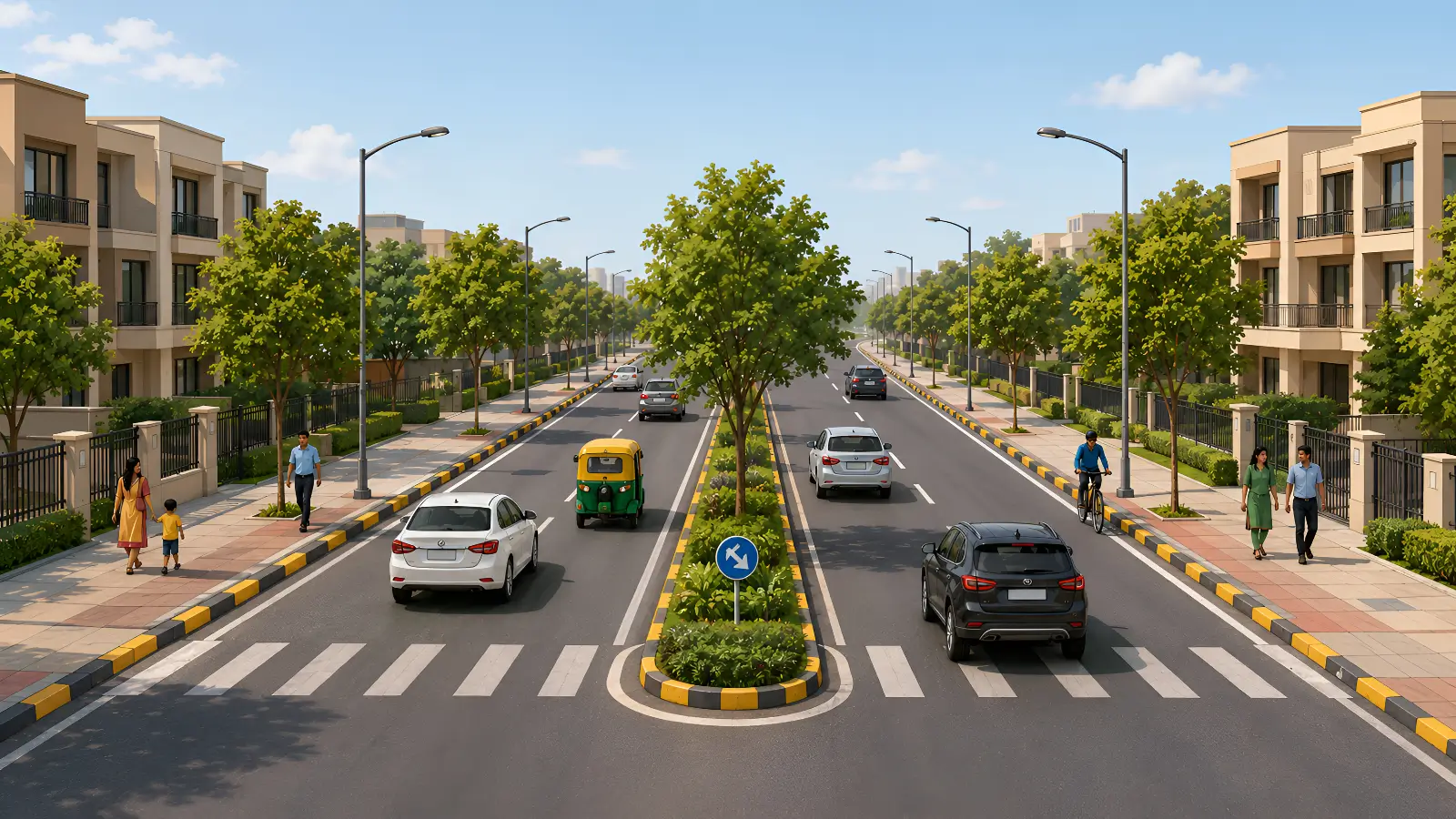
Why the 80-foot spinal road at Embassy Biome Southern Reserve matters — quieter traffic, easier navigation, and pedestrian comfort along the precinct's.
The 80-foot spinal road at Embassy Biome Southern Reserve is the primary vehicular circulation backbone for the 85-acre precinct. Road geometry is often overlooked during pre-booking diligence, but it shapes daily life more directly than most buyers anticipate. The 80-foot specification differs meaningfully from typical Bangalore residential road infrastructure and the difference shows up in measurable daily-life dividends.
Wider Geometry Means Quieter Daily Traffic
Most Bangalore developments operate on 40 to 60-foot internal roads. The 80-foot Embassy Biome Southern Reserve spinal road delivers wider geometry that translates into quieter daily traffic flow — vehicles travel at calmer speeds because the road geometry encourages it, acoustic transmission from vehicular movement reduces because air buffer increases, and the pedestrian-vehicular separation becomes natural rather than enforced. The acoustic environment within the precinct benefits across the entire daily cycle.
Easier Visitor and Service Navigation
Wide spinal road geometry makes visitor and service vehicle navigation operationally simpler. Two-way movement of large vehicles (moving trucks, delivery vans, ambulances) operates without congestion. Visitors finding their way through the precinct carry less stress because the road geometry signals primary circulation clearly. Service operations complete faster because road geometry supports operational efficiency. Emergency vehicle access in particular benefits from the wider geometry.
Pedestrian Comfort Along the Road
The 80-foot road geometry supports pedestrian comfort along the spinal route. Sidewalks can be wider. Buffer zones between sidewalk and vehicular lane reduce pedestrian acoustic exposure. Tree canopy along the road becomes feasible because there is space for mature tree growth. Evening walks along the spinal road become a pleasant daily ritual rather than a stressful navigation between vehicles and crowded sidewalks. The road geometry directly affects how residents experience the precinct on foot.
Conclusion
The 80-foot spinal road at Embassy Biome Southern Reserve converts vehicular infrastructure from a daily nuisance into a daily-life amenity. Quieter traffic, easier navigation, and pedestrian comfort along the route are the operational dividends that compound across years of precinct ownership. Verify the 80-foot specification on sanctioned plans during diligence to confirm the developer commitment.
Related Pages
Explore the master plan, the floor plan section, or schedule a site visit at the experience centre for further diligence. For related reading, see Booking to Possession.
FAQs
Q1. What is the significance of the 80-foot spinal road at Embassy Biome Southern Reserve?
The 80-foot spinal road serves as the township's primary circulation corridor, enabling smoother traffic flow, better accessibility, and improved movement across the 85-acre development.
Q2. How does the wider road design benefit residents?
The broader road geometry supports easier vehicle movement, better emergency access, enhanced visitor navigation, wider pedestrian pathways, and a more comfortable overall living environment compared to narrower internal roads.
Q3. Does the 80-foot spinal road improve walkability within the township?
Yes. The wider layout allows for landscaped buffers, pedestrian-friendly sidewalks, tree-lined pathways, and safer separation between vehicular and walking zones, contributing to a more enjoyable daily walking experience.
Related Articles
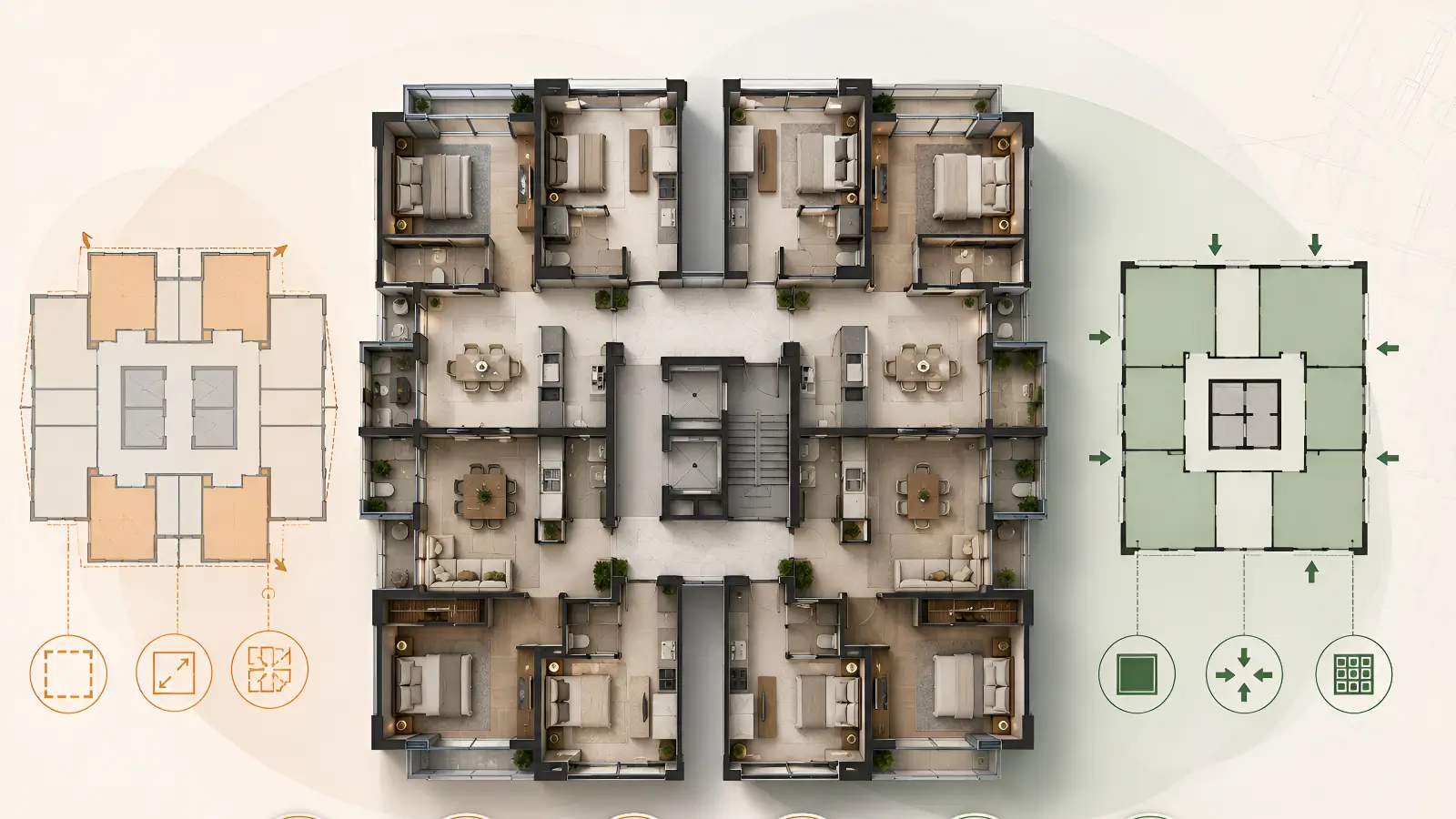
Embassy Biome Southern Reserve 4 BHK Villa vs 5 BHK Villa — Configuration Comparison
Embassy Biome Southern Reserve 4 BHK villa vs 5 BHK villa comparison — space, configuration, household fit, and ticket size analysis.
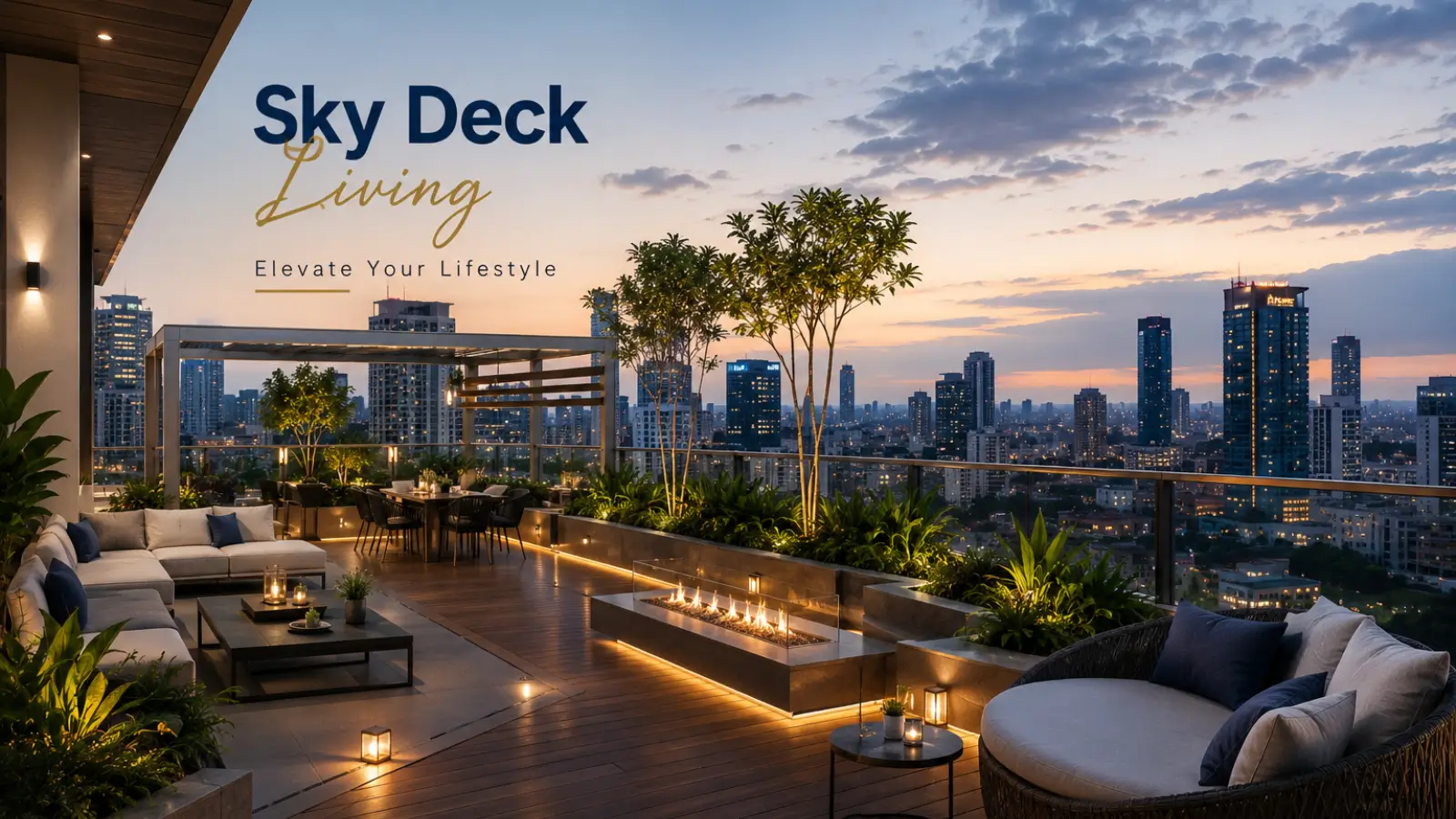
Embassy Biome Southern Reserve Garden Block vs Sky Block — Apartment Tier Comparison
Embassy Biome Southern Reserve Garden Block vs Sky Block apartment tier comparison — view orientation, accessibility, pricing differential analysis.
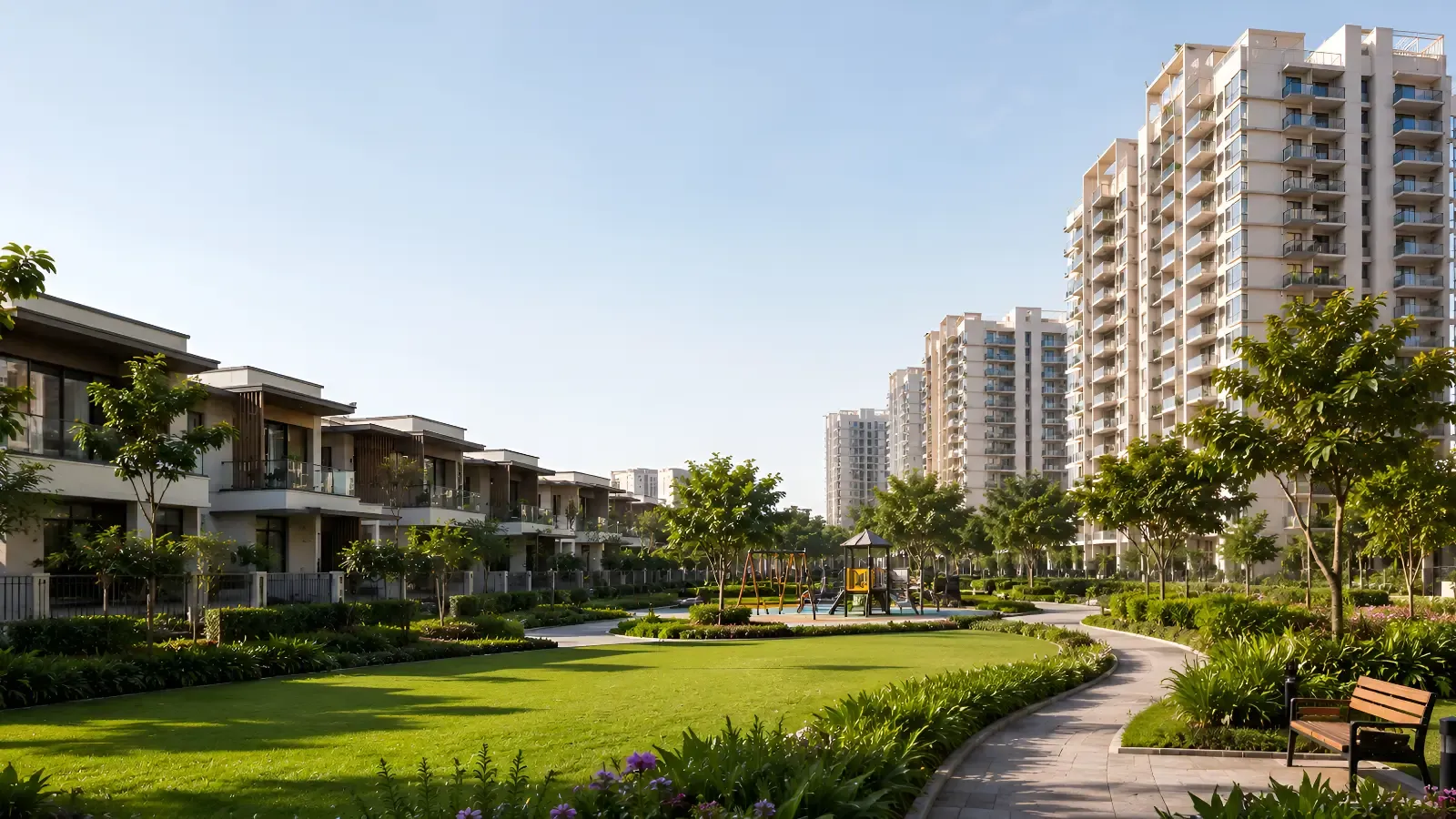
Embassy Biome Southern Reserve Villas vs Apartments — Which Format Fits Your Profile
Villas vs apartments at Embassy Biome Southern Reserve — buyer profile comparison framework across ticket size, household structure, and lifestyle pattern.
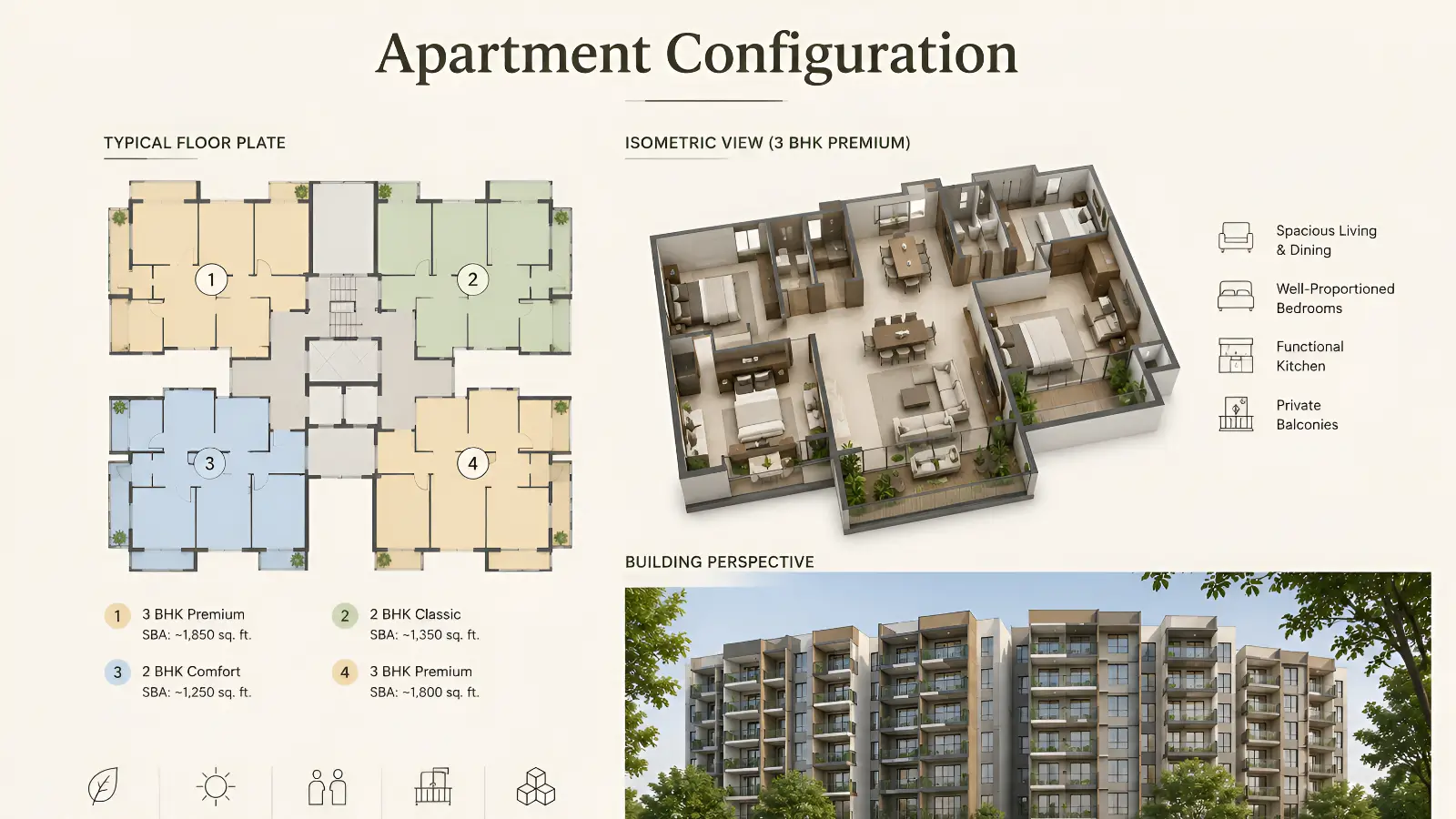
Embassy Biome Southern Reserve 3 BHK vs 3.5 BHK Apartment — Configuration Comparison
Embassy Biome Southern Reserve 3 BHK vs 3.5 BHK apartment comparison — space, room flexibility, household fit, and ticket size differential.