Carpet Area vs Super Built-Up at Embassy Biome Southern Reserve — K-RERA Disclosure
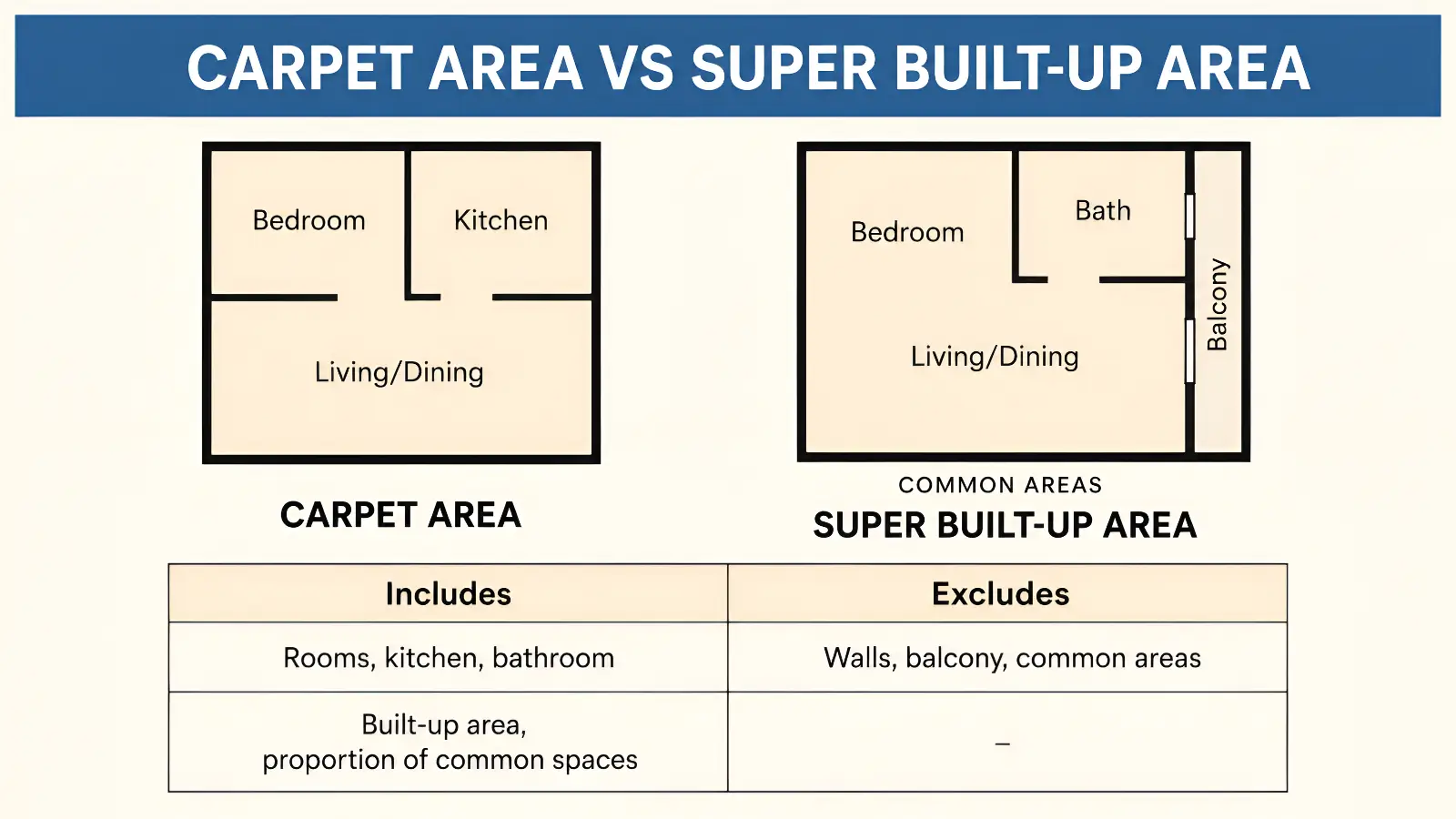
Understanding K-RERA-mandated carpet area pricing at Embassy Biome Southern Reserve — how to verify, why it matters, and what to ignore.
Karnataka RERA mandates carpet area pricing disclosure rather than super built-up inflation that previously dominated Indian real estate pricing. Understanding the distinction matters at Embassy Biome Southern Reserve because the pricing structure directly affects buyer capital allocation and the actual usable area buyers commit to.
What Carpet Area Actually Measures
Carpet area refers to the actual usable floor area within the unit — measured from the inner face of internal walls, excluding wall thicknesses, balconies, and common areas. Carpet area is where furniture sits, where daily living happens, and where buyer value is concentrated. K-RERA requires developers to disclose carpet area for every unit and to price units on the carpet area basis rather than on inflated super built-up calculations. The disclosure protects buyer interests through pricing transparency.
The Super Built-Up Legacy Problem
Super built-up area combines carpet area with proportional share of common areas, walls, lobby spaces, and amenity infrastructure. Pre-RERA Indian real estate often priced units on super built-up area, which meant buyers paid for proportional shares of corridors, lifts, lobbies, and amenity spaces in addition to their actual usable area. The pricing structure inflated effective per-sq.ft. rates and obscured the true cost per usable square foot. K-RERA disclosure requirements eliminated this opacity for projects registered after RERA implementation.
Verifying Carpet Area at Embassy Biome Southern Reserve
For Embassy Biome Southern Reserve, the K-RERA-mandated carpet area pricing means buyers can compare per-sq.ft. rates apples-to-apples across competing projects. Villa anchors at ₹23,500 per sq.ft. carpet area; apartments at ₹12,000-13,000 per sq.ft. carpet area EOI. Verify through three checks. First, confirm the cost sheet explicitly states carpet area for your selected unit. Second, cross-check carpet area against sanctioned plan dimensions once K-RERA registration completes. Third, calculate per-sq.ft. cost on carpet area basis rather than on any other calculation.
Conclusion
K-RERA carpet area discipline at Embassy Biome Southern Reserve protects buyer interests through pricing transparency — but only when buyers actively verify the disclosure rather than accepting marketing material at face value. Embassy Biome Southern Reserve is a K-RERA-compliant project (registration in progress), which means carpet area discipline is mandatory rather than optional.
Related Pages
Explore the master plan, the floor plan section, or schedule a site visit at the experience centre for further diligence. For related reading, see Tax Considerations for Buying at Embassy Biome Southern Reserve.
FAQs
Q1. What is carpet area and why is it important at Embassy Biome Southern Reserve?
Carpet area represents the actual usable space within a home where residents live, place furniture, and carry out daily activities. It provides a transparent basis for comparing property value and pricing across projects.
Q2. How is carpet area different from super built-up area?
Carpet area includes only the usable internal space of the unit, while super built-up area also incorporates a proportionate share of common areas such as corridors, lobbies, lifts, and other shared infrastructure.
Q3. How can buyers verify carpet area details at Embassy Biome Southern Reserve?
Buyers should review the official cost sheet, confirm the carpet area mentioned in project documentation, and cross-check the measurements against sanctioned plans and K-RERA disclosures once registration details are available.
Related Articles
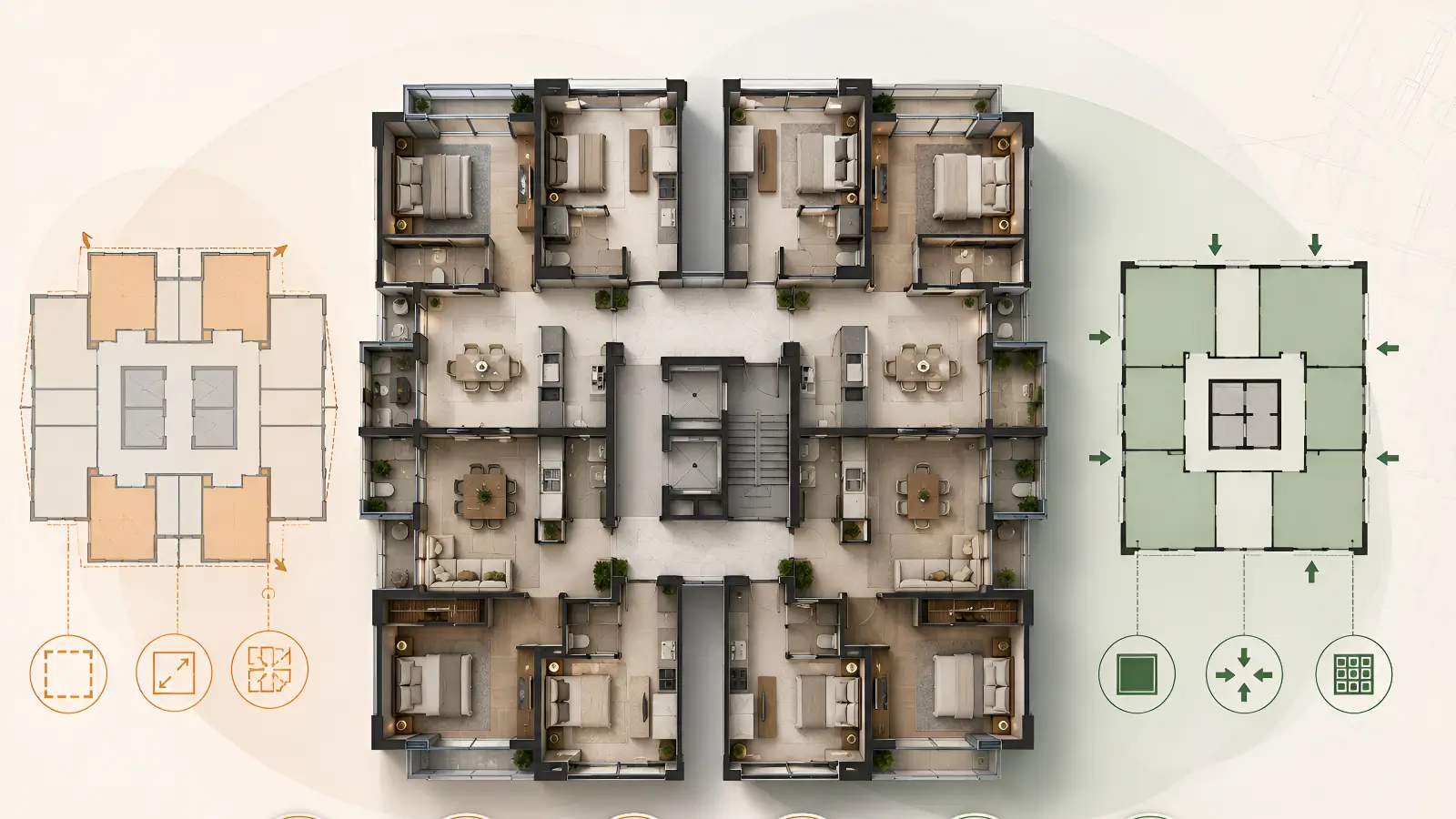
Embassy Biome Southern Reserve 4 BHK Villa vs 5 BHK Villa — Configuration Comparison
Embassy Biome Southern Reserve 4 BHK villa vs 5 BHK villa comparison — space, configuration, household fit, and ticket size analysis.

Embassy Biome Southern Reserve Garden Block vs Sky Block — Apartment Tier Comparison
Embassy Biome Southern Reserve Garden Block vs Sky Block apartment tier comparison — view orientation, accessibility, pricing differential analysis.
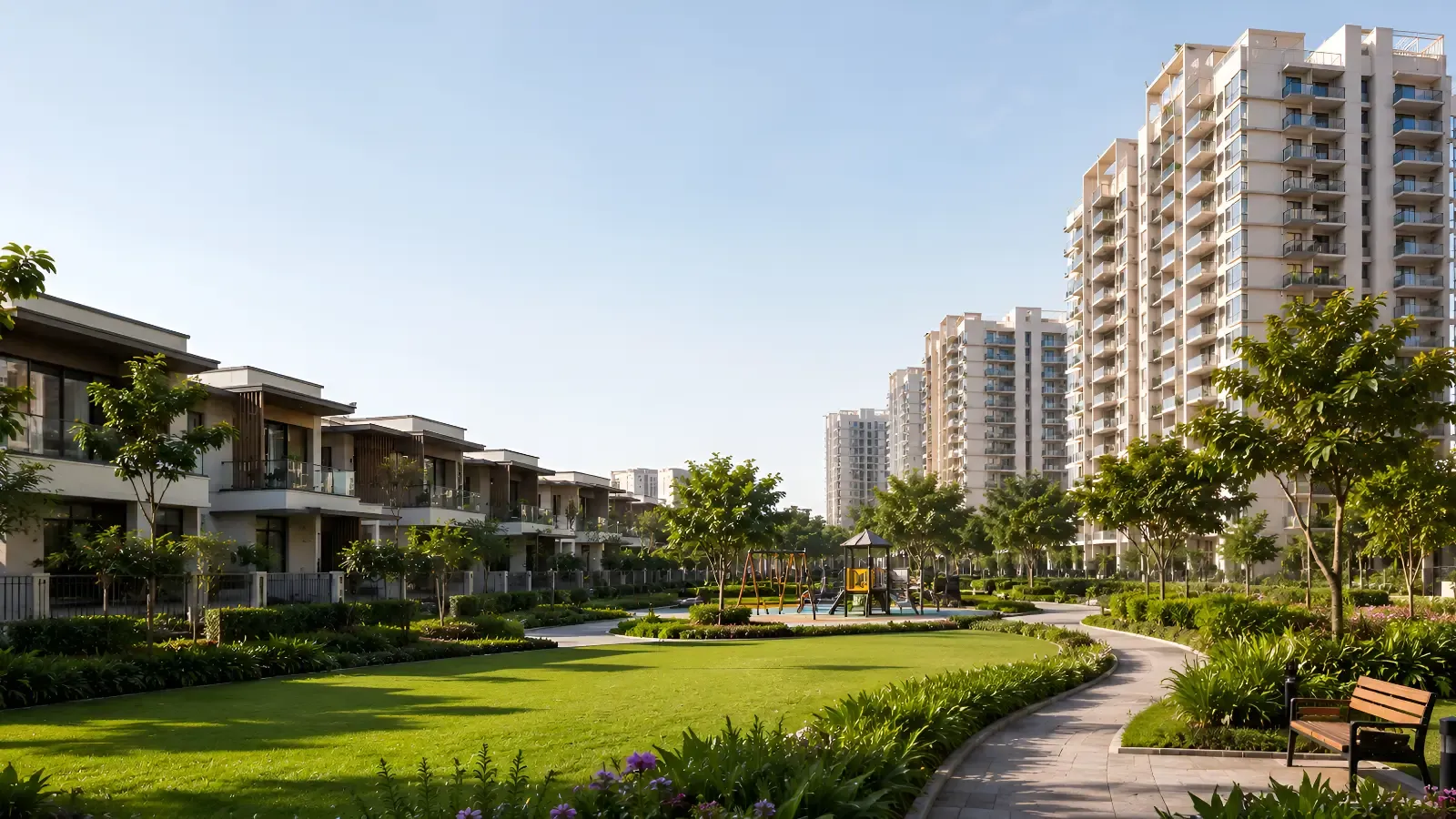
Embassy Biome Southern Reserve Villas vs Apartments — Which Format Fits Your Profile
Villas vs apartments at Embassy Biome Southern Reserve — buyer profile comparison framework across ticket size, household structure, and lifestyle pattern.
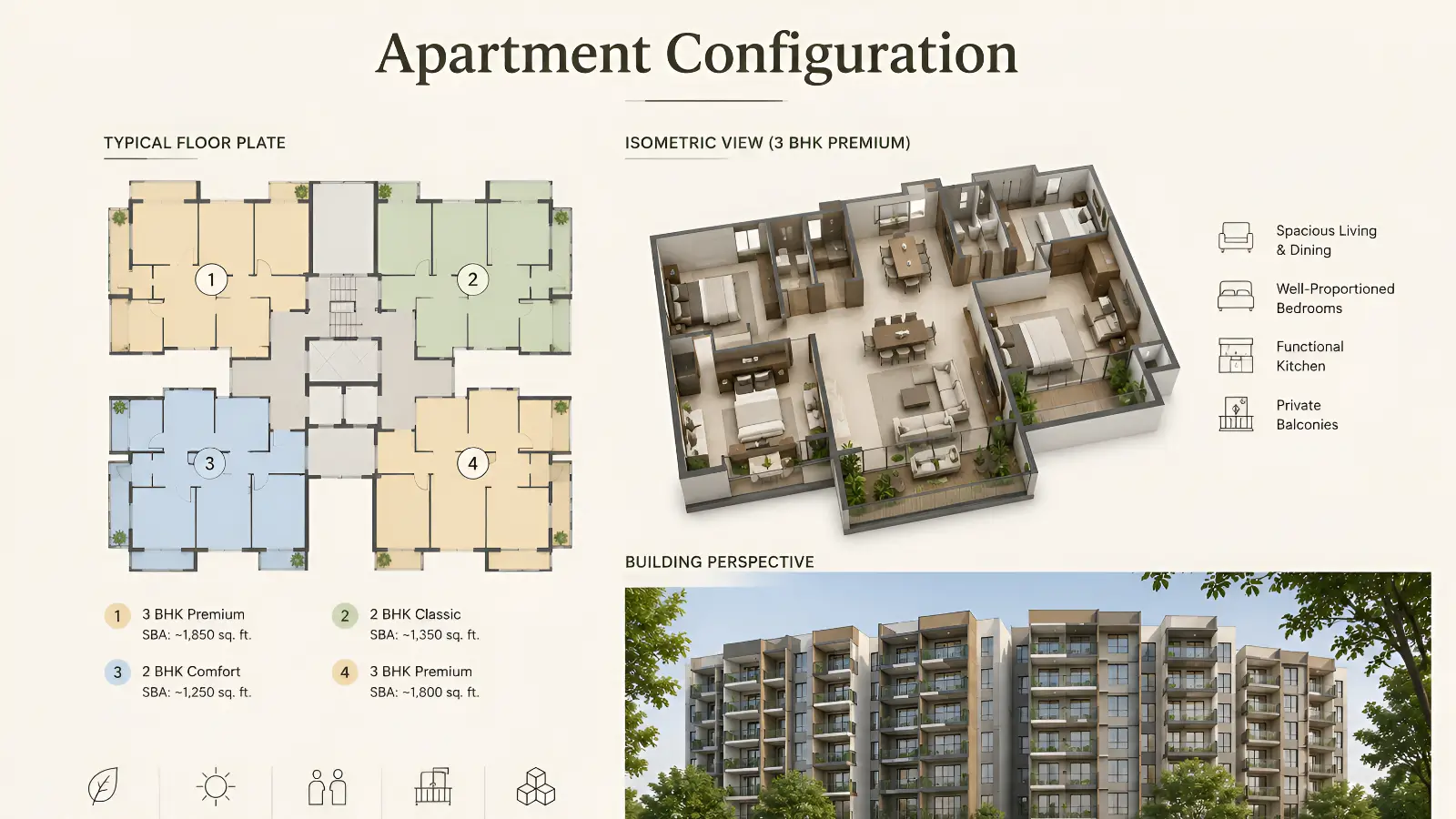
Embassy Biome Southern Reserve 3 BHK vs 3.5 BHK Apartment — Configuration Comparison
Embassy Biome Southern Reserve 3 BHK vs 3.5 BHK apartment comparison — space, room flexibility, household fit, and ticket size differential.