The Embassy Biome Southern Reserve Investment Thesis — Why the Airport Corridor
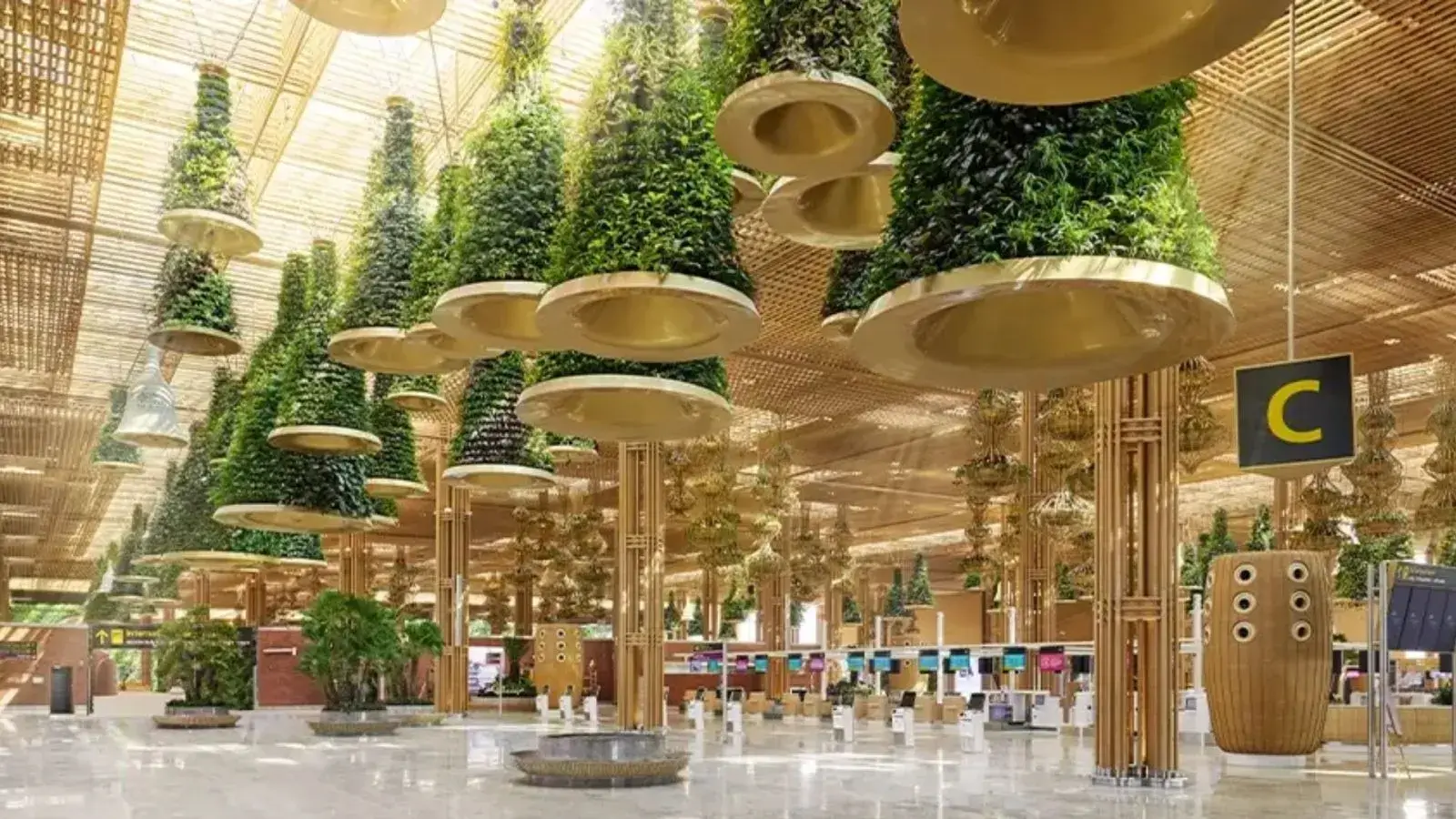
The investment thesis for Embassy Biome Southern Reserve — infrastructure density, employment cluster proximity, institutional capital flow, and supply.
Investment-grade real estate decisions rest on structural drivers rather than cyclical market timing. Embassy Biome Southern Reserve's investment thesis rests on four structural drivers that compound across the airport corridor — and understanding each driver matters for buyers evaluating the asset against alternatives in the broader Bangalore market.
Infrastructure Investment Density
The NH-44 / Bellary Road corridor carries the highest density of public and private infrastructure investment within the Bangalore metro region. Kempegowda International Airport expansion. Bangalore Metro Phase 2B extension to Doddajala. Highway expansion programmes. Satellite ring road completion. Bengaluru Suburban Rail Project planning. Each infrastructure investment compounds the corridor's accessibility and structural attractiveness for residential demand. Embassy Biome Southern Reserve's address captures the infrastructure tailwind without paying the premium typical of already-mature North Bangalore micro-markets.
Employment Cluster Density
Within a 10-kilometre radius of Embassy Biome Southern Reserve sit major employment clusters — KIADB Aerospace SEZ, IFCI Financial City, Prestige Tech Cloud, Devanahalli Business Park. The employment cluster density supports residential demand from multiple cohorts simultaneously — aerospace professionals, financial services executives, technology workforce, and the broader management cohort serving these clusters. Diversified demand drivers protect residential valuation across cycles compared to single-cluster dependence.
Institutional Capital and Supply Discipline
The third and fourth drivers reinforce each other. Embassy Office Parks REIT, foreign direct investment in Bangalore commercial assets, and private equity allocation into the airport corridor — institutional capital flow signals corridor-level investment confidence that retail buyers can ride. Residential supply at premium ticket sizes remains scarce relative to demand. North Bangalore lacks the supply density of South Bangalore's tech-driven micro-markets, which means premium ticket-size inventory enjoys structural absorption advantages.
Conclusion
The Embassy Biome Southern Reserve investment thesis rests on four structural drivers that compound across the airport corridor. Validate each driver during pre-booking diligence — review infrastructure investment timelines on government portals, verify employment cluster occupancy trends, check institutional capital flow indicators, and assess supply pipeline at competing premium ticket sizes. The thesis is structurally compelling but requires individual validation before commitment.
Related Pages
Explore the master plan, the floor plan section, or schedule a site visit at the experience centre for further diligence. For related reading, see Working from Home at Embassy Biome Southern Reserve.
FAQs
What are the key drivers behind the Embassy Biome Southern Reserve investment thesis?
The investment thesis is based on four structural drivers: infrastructure investment density along the airport corridor, strong employment cluster concentration, institutional capital inflows into the region, and limited premium residential supply relative to demand.How do nearby employment hubs support the investment potential of Embassy Biome Southern Reserve?
Major employment centres such as KIADB Aerospace SEZ, IFCI Financial City, Prestige Tech Cloud, and Devanahalli Business Park help generate sustained residential demand from professionals, executives, and business leaders working in the corridor.Why is infrastructure development important for Embassy Biome Southern Reserve's long-term value?
Projects such as the expansion of Kempegowda International Airport, Metro Phase 2B, highway improvements, the Satellite Ring Road, and planned suburban rail connectivity are expected to strengthen accessibility and support the long-term growth of the airport corridor.
Related Articles
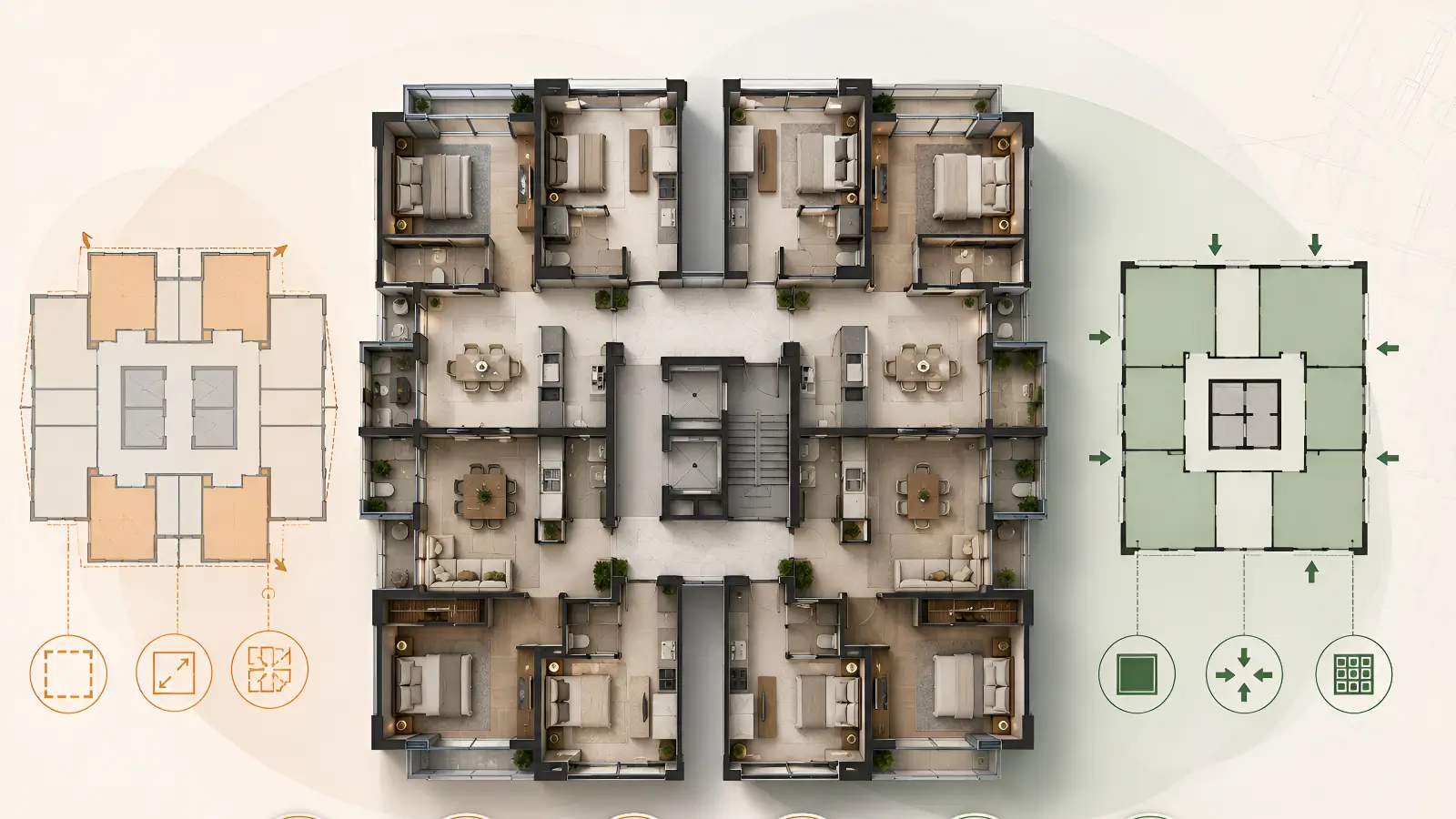
Embassy Biome Southern Reserve 4 BHK Villa vs 5 BHK Villa — Configuration Comparison
Embassy Biome Southern Reserve 4 BHK villa vs 5 BHK villa comparison — space, configuration, household fit, and ticket size analysis.

Embassy Biome Southern Reserve Garden Block vs Sky Block — Apartment Tier Comparison
Embassy Biome Southern Reserve Garden Block vs Sky Block apartment tier comparison — view orientation, accessibility, pricing differential analysis.
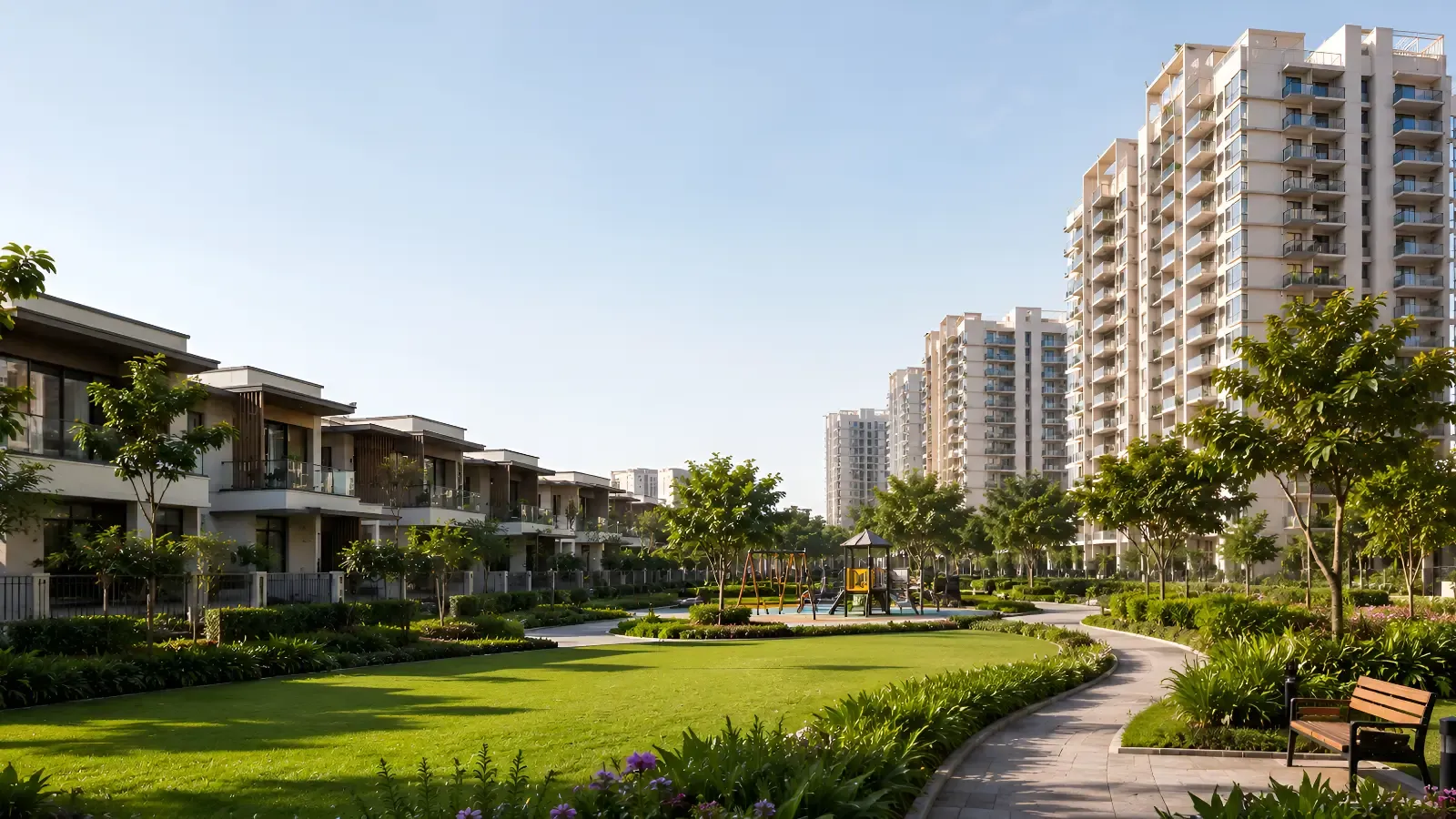
Embassy Biome Southern Reserve Villas vs Apartments — Which Format Fits Your Profile
Villas vs apartments at Embassy Biome Southern Reserve — buyer profile comparison framework across ticket size, household structure, and lifestyle pattern.
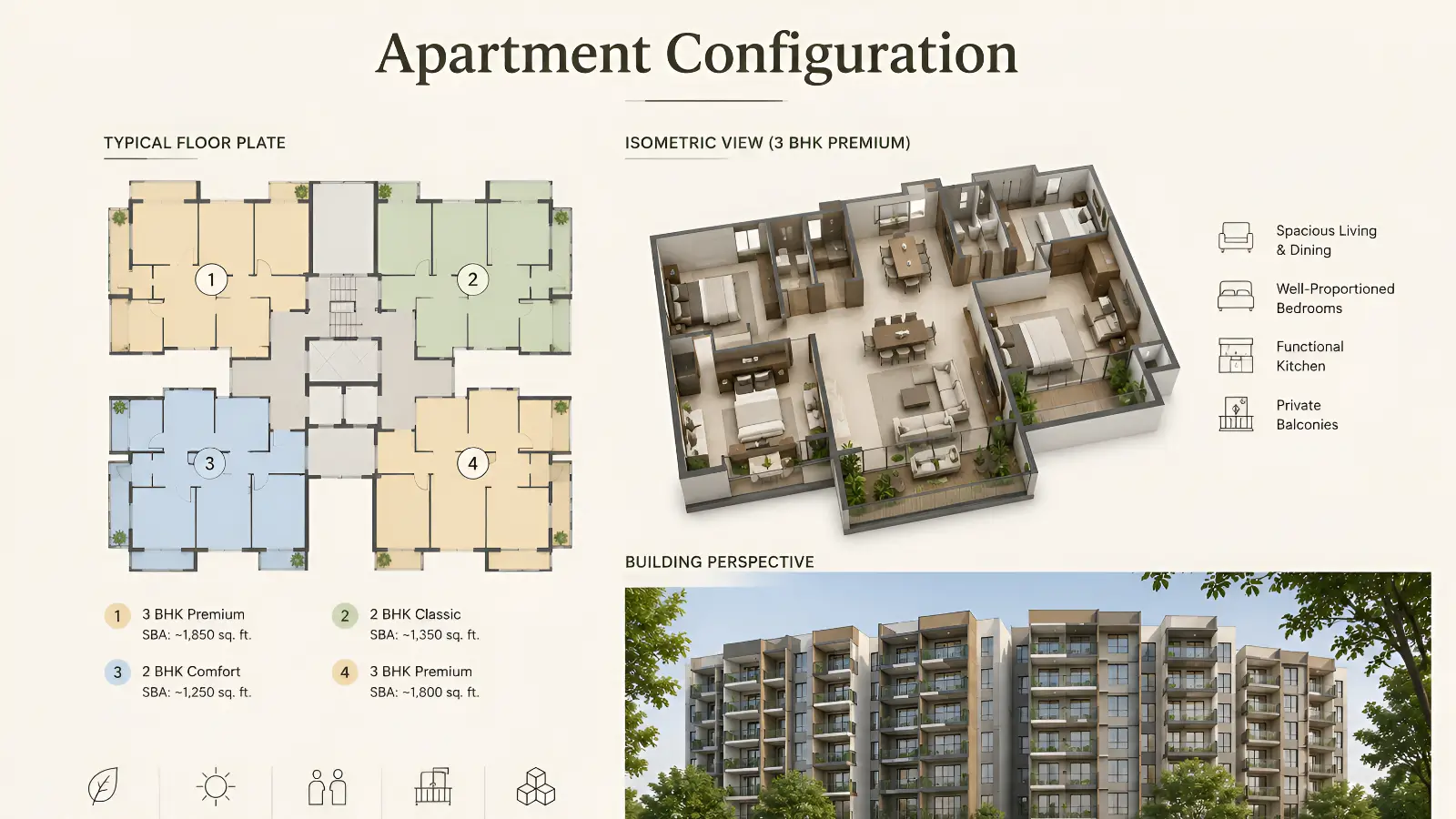
Embassy Biome Southern Reserve 3 BHK vs 3.5 BHK Apartment — Configuration Comparison
Embassy Biome Southern Reserve 3 BHK vs 3.5 BHK apartment comparison — space, room flexibility, household fit, and ticket size differential.