Hebbal Flyover and Onward Bangalore Access from Embassy Biome Southern Reserve
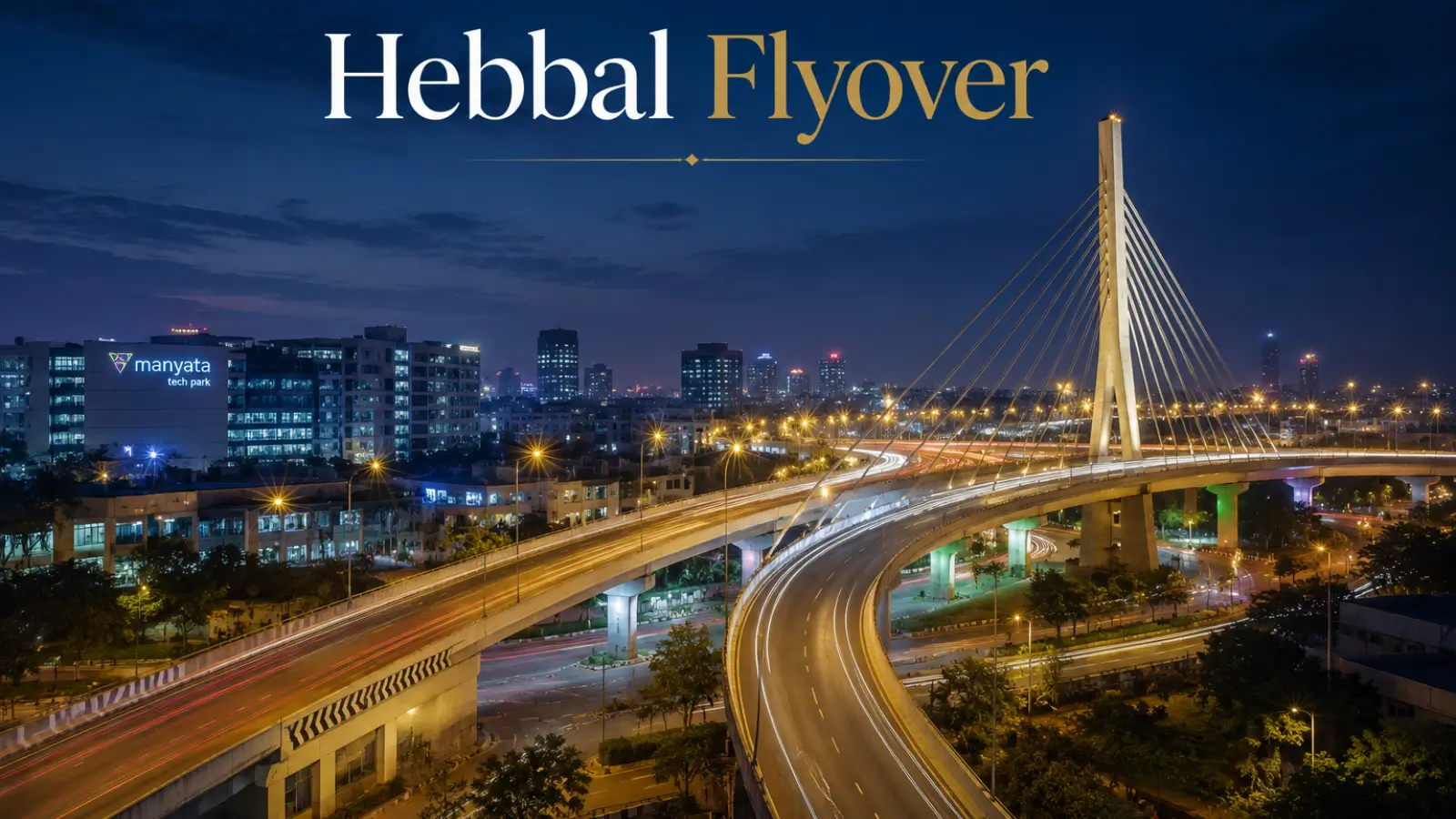
How Hebbal flyover and the southward Bangalore access network shape connectivity from Embassy Biome Southern Reserve.
Hebbal flyover is the critical southward connectivity infrastructure for Embassy Biome Southern Reserve. While airport connectivity captures north-bound advantages, Hebbal flyover captures south-bound access to central Bangalore, Whitefield, Marathahalli, and the broader Bangalore residential and commercial geography.
The Hebbal Junction Importance
Hebbal junction is one of Bangalore's most strategic transit nodes. The flyover infrastructure separates through-traffic from local traffic, enabling sustained high-speed transit between North Bangalore corridors and central Bangalore. From Embassy Biome Southern Reserve at Tharahunise, the drive south on NH-44 reaches Hebbal flyover in approximately 12 to 15 kilometres of highway transit. Crossing Hebbal flyover, residents access onward connectivity to Manyata Tech Park (5 km from Hebbal), Outer Ring Road, central Bangalore (10 to 15 km via various routes), and the southward Bangalore commercial and residential corridors.
Daily Commute Patterns
Daily commute patterns from Embassy Biome Southern Reserve to South Bangalore destinations operate through Hebbal junction. Commute to Manyata Tech Park — approximately 22 kilometres, 35 to 50 minutes depending on traffic conditions. Commute to central Bangalore (MG Road area) — approximately 30 kilometres, 50 to 70 minutes. Commute to Whitefield — approximately 35 kilometres via Outer Ring Road, 60 to 90 minutes. Commute to Electronic City — approximately 45 kilometres, longer than other South Bangalore destinations. The commute times are meaningful but workable for non-daily destinations.
Onward Network and Future Improvements
Beyond Hebbal flyover, the onward network includes Outer Ring Road (orbital connectivity to all Bangalore quadrants), Bellary Road extension into central Bangalore, and connecting arterials to Whitefield and Sarjapur corridors. The network density at Hebbal means residents have multiple route alternatives during peak hours rather than single-route dependency. Future infrastructure improvements at Hebbal junction include flyover extensions and traffic flow optimisations. Bangalore Metro Phase 2B passing through Hebbal adds metro option as alternative to vehicular Hebbal-crossing during peak hours. The cumulative improvements support Embassy Biome Southern Reserve connectivity over the residential ownership horizon.
Conclusion
Hebbal flyover and onward Bangalore access network deliver the southward connectivity that complements Embassy Biome Southern Reserve's northward airport corridor connectivity. Daily commute patterns to South Bangalore destinations operate through Hebbal junction at workable durations. Future infrastructure improvements compound connectivity benefits. Validate by driving the actual routes during peak and off-peak hours.
Related Pages
Explore the master plan, the floor plan section, or schedule a site visit at the experience centre for further diligence. For related reading, see the 85-Acre Embassy Biome Southern Reserve Master Plan.
FAQs
Q1. Why is Hebbal Flyover important for residents of Embassy Biome Southern Reserve?
Hebbal Flyover serves as the primary gateway connecting North Bangalore to Central Bangalore, Outer Ring Road, Manyata Tech Park, Whitefield, and other major commercial and residential hubs across the city.
Q2. How long does it typically take to reach key business districts from Embassy Biome Southern Reserve via Hebbal?
Travel times vary by traffic conditions, but Manyata Tech Park is generally reachable within 35–50 minutes, Central Bangalore within 50–70 minutes, and Whitefield within 60–90 minutes.
Q3. How will future infrastructure developments enhance connectivity through Hebbal?
Planned road improvements, traffic-flow optimizations, and Bangalore Metro Phase 2B connectivity are expected to strengthen access between North Bangalore and the rest of the city over the long term.
Related Articles
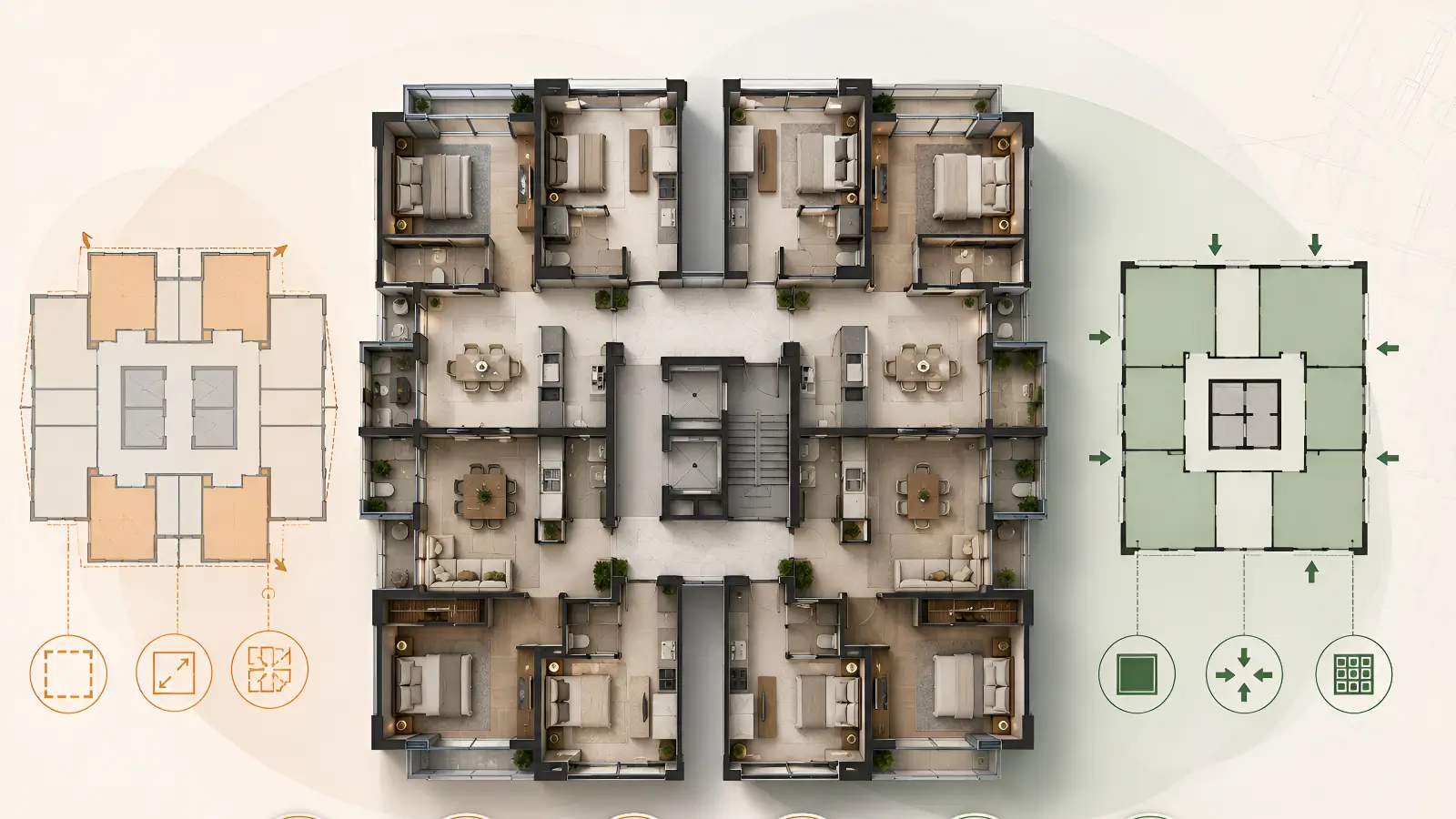
Embassy Biome Southern Reserve 4 BHK Villa vs 5 BHK Villa — Configuration Comparison
Embassy Biome Southern Reserve 4 BHK villa vs 5 BHK villa comparison — space, configuration, household fit, and ticket size analysis.

Embassy Biome Southern Reserve Garden Block vs Sky Block — Apartment Tier Comparison
Embassy Biome Southern Reserve Garden Block vs Sky Block apartment tier comparison — view orientation, accessibility, pricing differential analysis.
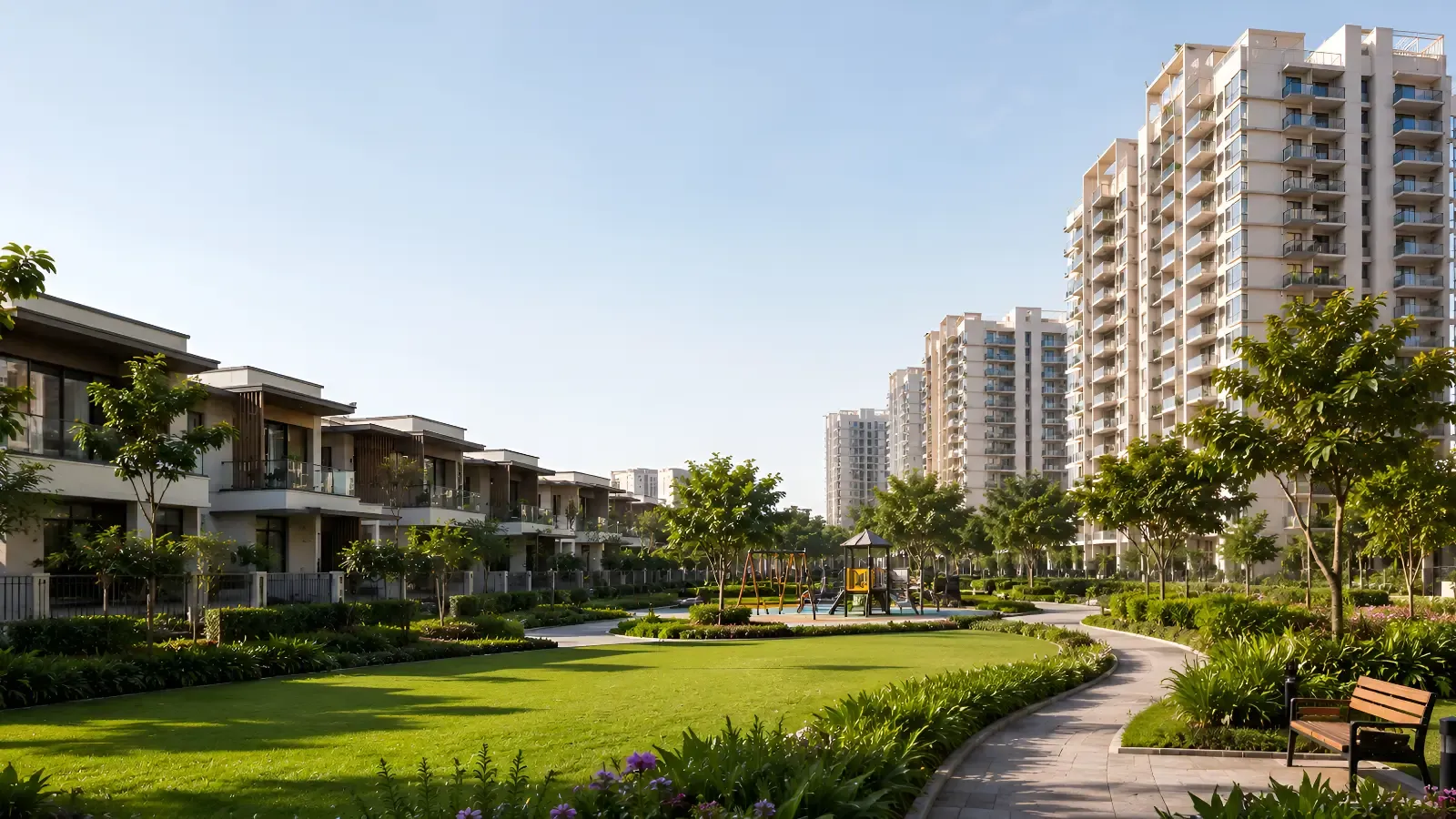
Embassy Biome Southern Reserve Villas vs Apartments — Which Format Fits Your Profile
Villas vs apartments at Embassy Biome Southern Reserve — buyer profile comparison framework across ticket size, household structure, and lifestyle pattern.
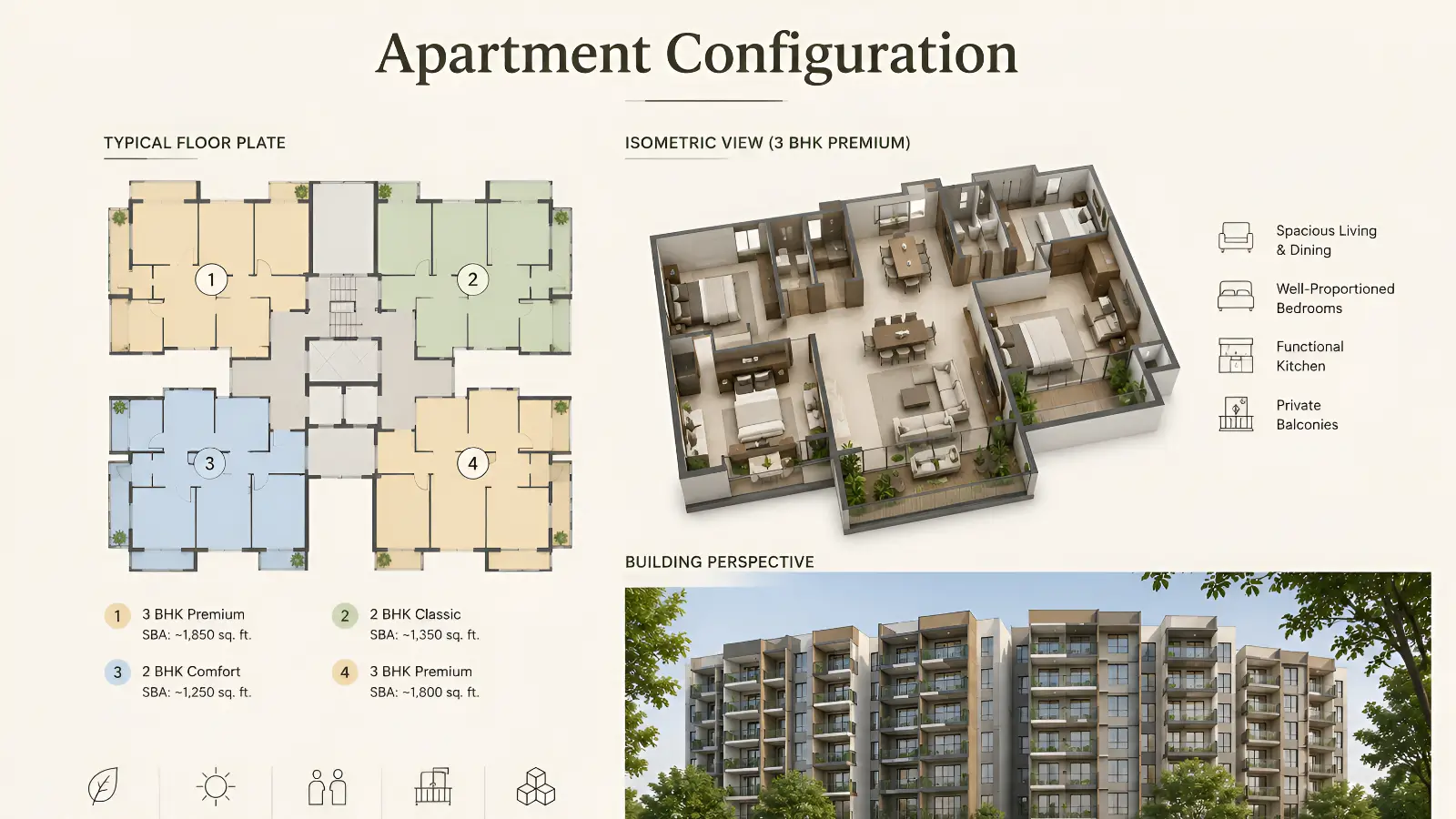
Embassy Biome Southern Reserve 3 BHK vs 3.5 BHK Apartment — Configuration Comparison
Embassy Biome Southern Reserve 3 BHK vs 3.5 BHK apartment comparison — space, room flexibility, household fit, and ticket size differential.